
Custom Molding product guide
Custom Rubber Molding
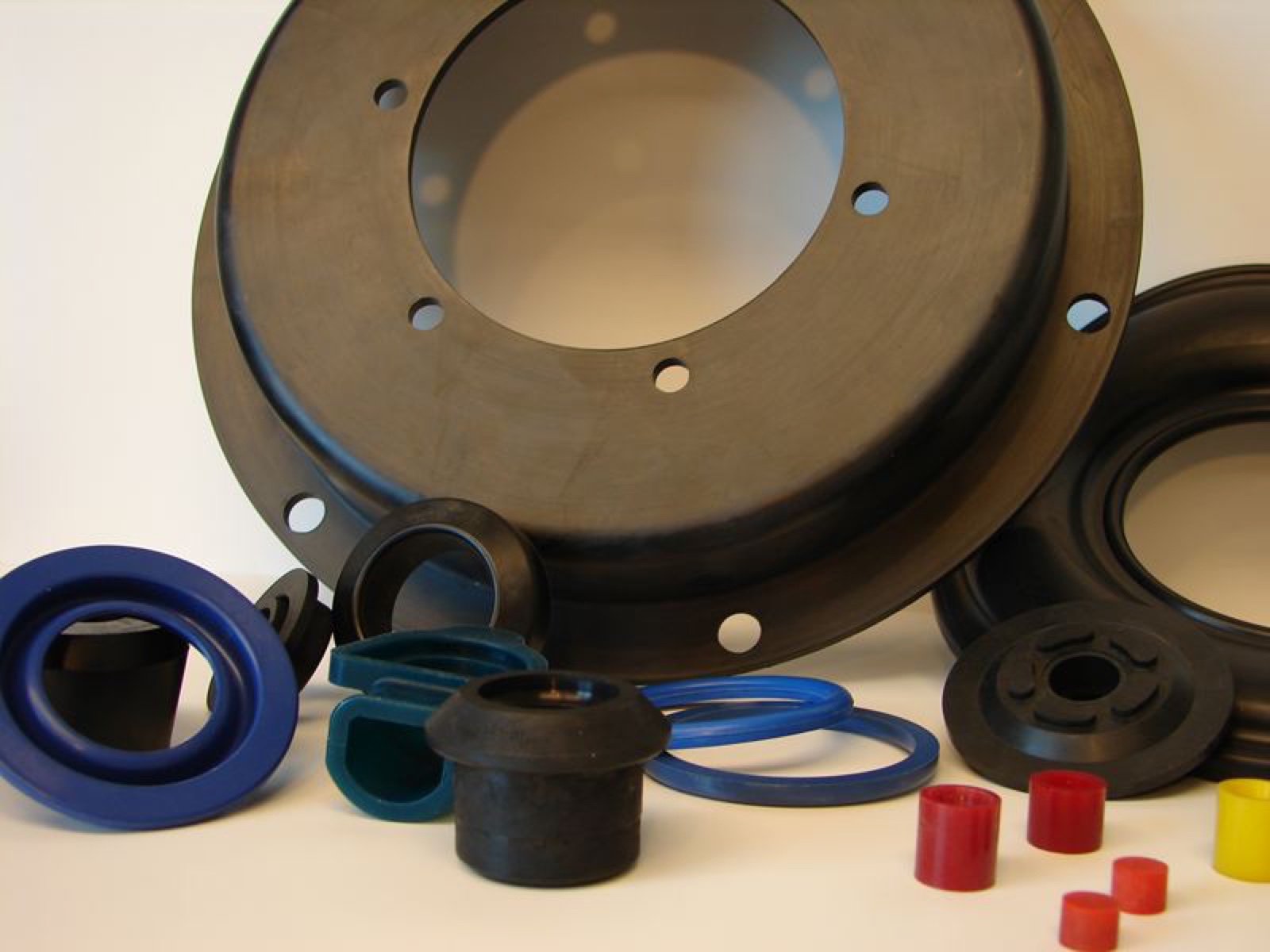
Custom molded rubber parts developed from drawings, samples, and operating requirements.
- Drawing-led development
- Prototype-to-production path
- Application-focused review
Product overview
Understand the Product Before Selecting a Specification
From early drawing review to tooling, samples, and repeat orders, ouning supports custom rubber component projects with clear requirement confirmation and manufacturable solutions.
Drawing-led development
Dimensions, tolerances, material, hardness, surface requirements, and acceptance criteria are reviewed before tooling.
Prototype-to-production path
Sample requirements can be defined before repeat production to reduce uncertainty on a new molded component.
Application-focused review
Part geometry and material should be considered together with how the component is assembled and used.
Product scope
Applications, Materials, and Supply Options
Use these categories as a starting point. The final specification depends on the complete application.
Common Applications
- Custom gaskets
- Rubber boots and bellows
- Industrial bumpers
- Special sealing profiles
Material Options
- NBR
- FKM
- EPDM
- Silicone
- HNBR and application-specific compounds
Supply Capabilities
- Drawing and sample review
- Tooling development
- Prototype samples
- Batch production
Before requesting a quote
Selection Factors for Custom Molding
More complete input leads to a clearer product and material discussion.
Technical files
Provide a dimensioned 2D drawing, and include a 3D file or physical sample when it helps explain the geometry.
Material requirements
State the elastomer, hardness, color, media, temperature, and any applicable specification or test.
Critical features
Identify sealing surfaces, tight tolerances, flash limits, cosmetic areas, and dimensions that affect assembly.
Project quantities
Share sample quantity, order quantity, expected repeat demand, packaging, and delivery requirements.
Project workflow
A Practical Review Process
The steps remain clear whether you are identifying a standard part or developing a custom specification.
- 01
Define
Share the product, drawing, dimensions, service conditions, and quantities.
- 02
Confirm
Align the material, hardness, tolerances, tooling, samples, and documentation.
- 03
Validate
Review samples and complete the application-specific approval process.
- 04
Supply
Maintain confirmed specifications and identification for repeat requirements.
Questions & answers
Custom Molding Questions
Common questions about selecting and requesting custom rubber molding.
Can you quote from a drawing?
Yes. A dimensioned drawing with tolerances, material, hardness, quantity, and application details is the preferred basis for review.
Can a physical sample be used?
A sample can help explain shape and fit, but critical dimensions, material requirements, and acceptance criteria should still be confirmed.
What happens before tooling starts?
The part geometry, material, tolerances, expected quantity, sampling plan, and commercial requirements should be reviewed and confirmed.